If you need CPR Certification in Tampa for work, it is important to understand the difference between online and in-person training, especially when it comes to OSHA compliance. While online courses may seem convenient, not all training formats meet workplace safety expectations, and choosing the wrong one can leave your business out of compliance.
For employers and employees in Tampa, CPR training is not just about checking a box. It is about ensuring someone on-site can respond effectively in a real emergency. Understanding how OSHA views CPR training will help you make the right decision.
Why CPR Training Matters for OSHA Compliance in Tampa
Workplace safety is a major priority across industries in Tampa, from construction sites and warehouses to offices and retail environments. OSHA requires employers to ensure that employees have access to prompt first aid care in the event of an emergency.
This means that if emergency medical services are not immediately available, someone on-site must be trained to provide first aid.
In many cases, this includes CPR training. Certain industries require employees to be trained in CPR specifically, especially in higher-risk environments where serious injuries or cardiac events are more likely.
Even when CPR is not explicitly required, OSHA strongly recommends it as part of a complete workplace safety program.
For Tampa businesses, this creates a clear expectation. You need trained individuals who can act quickly, not just employees who have watched a video or completed an online quiz.
What OSHA Actually Requires for CPR Training
One of the biggest misconceptions is that OSHA has a single universal rule requiring CPR certification for every workplace. In reality, OSHA focuses on outcomes rather than a one-size-fits-all rule.
The key requirement is this: employers must ensure that first aid is available quickly when an emergency occurs.
If a hospital or emergency service cannot reach the workplace within a reasonable amount of time, then trained personnel must be available on-site.
In certain industries, CPR training is specifically required. In others, it is strongly recommended because of the nature of potential injuries.
OSHA also emphasizes that training should include hands-on practice. CPR training programs are expected to teach real skills through demonstration and practice, not just theory.
This is where the difference between online and in-person training becomes critical.
Online CPR Training: Convenience with Limitations
Online CPR courses are popular because they are fast, flexible, and easy to complete from home. For busy professionals in Tampa, this can seem like the ideal option.
Online training typically includes:
- Video instruction
- Written materials
- Knowledge-based quizzes
- Immediate digital certificates
While this format can be helpful for learning basic concepts, it has clear limitations when it comes to real-world application.
CPR is a physical skill. It requires proper hand placement, correct compression depth, and consistent rhythm. These are not things most people can master by watching videos alone.
From an OSHA standpoint, online-only training may not be sufficient because it does not demonstrate that the individual can actually perform CPR in an emergency. OSHA guidance emphasizes hands-on skill development, which online-only courses do not provide.
For Tampa businesses that need to stay compliant, relying solely on online certification can create risk.
In-Person CPR Training: The OSHA-Preferred Approach
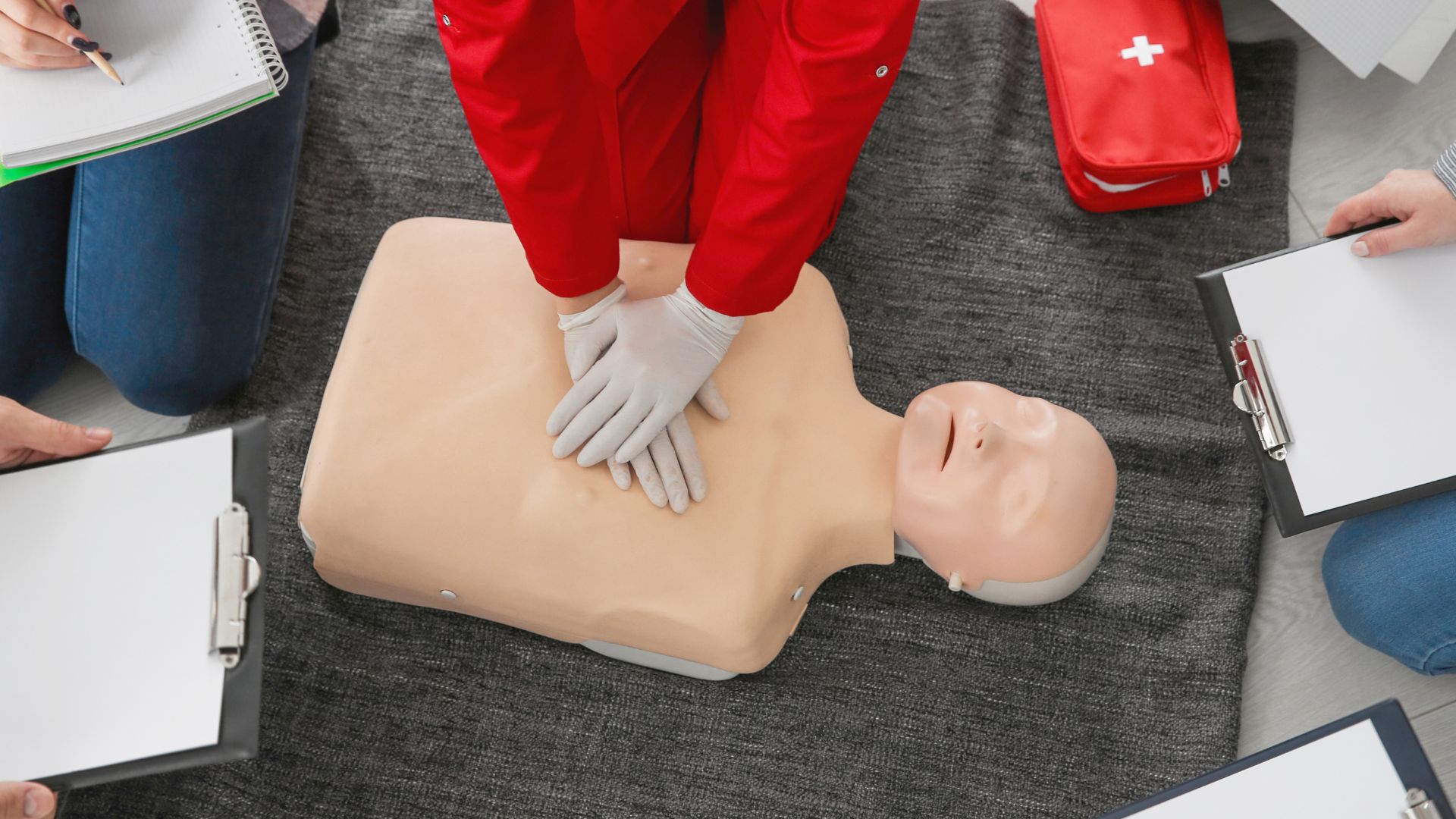
In-person CPR training provides the hands-on experience that OSHA expects in a workplace safety program. Instead of just learning the steps, participants physically practice them under the guidance of an instructor.
During an in-person class, you will:
- Practice chest compressions on mannequins
- Learn proper body positioning
- Receive real-time feedback
- Simulate emergency scenarios
- Build muscle memory for critical actions
This type of training ensures that employees are not just certified, but actually prepared.
OSHA training guidelines specifically highlight the importance of practical exercises and demonstration when teaching CPR skills.
For employers in Tampa, this makes in-person training the safer and more reliable option for compliance.
Key Differences Between Online and In-Person CPR Training
Understanding the differences between these two formats helps clarify which option is right for your workplace.
Online training is designed for convenience. It allows users to complete coursework quickly and at their own pace. However, it focuses primarily on knowledge rather than skill.
In-person training is designed for performance. It ensures that participants can physically perform CPR and respond effectively in real situations.
Another important difference is verification. In-person training provides documented proof that an individual has demonstrated their skills, which aligns with OSHA expectations.
For Tampa businesses, this distinction matters. If an emergency occurs, the ability to act correctly is far more important than simply having a certificate.
Why Hands-On Training Is Critical for Workplace Safety
CPR is a time-sensitive skill. Brain damage can begin within minutes if oxygen is not restored, which means immediate action is essential.
OSHA’s focus on rapid response highlights the importance of having trained individuals who can act without hesitation.
Hands-on training builds confidence and prepares employees to respond under pressure. It also helps reduce mistakes, which can happen when someone tries to perform CPR without proper practice.
In Tampa, where many workplaces operate in fast-paced environments, this level of preparedness is essential. Whether it is a job site, office, or public-facing business, emergencies can happen anywhere.
Training that includes real practice ensures that employees are ready.
How to Choose the Right CPR Training in Tampa
When selecting a CPR training program, it is important to consider both compliance and effectiveness.
Look for programs that include:
- In-person instruction
- Hands-on practice with mannequins
- Real-time feedback from instructors
- Same-day certification
- Training that aligns with current medical guidelines
Avoid programs that are entirely online if your goal is workplace compliance. While they may be useful as a supplement, they should not replace hands-on training.
For employers, it is also important to ensure that enough staff members are trained. OSHA expects that someone capable of providing first aid is available at all times during work hours.
This may mean training multiple employees to ensure coverage across shifts.
Same-Day CPR Certification for Tampa Businesses
One of the advantages of in-person training in Tampa is the availability of same-day certification. Employees can attend a class, complete the training, and leave with certification that same day.
This makes it easier for businesses to stay compliant without disrupting operations.
Same-day certification also ensures that training is current and up to date. OSHA recommends regular refreshers to maintain skills and knowledge, especially for life-saving procedures like CPR.
For employers, this means you can quickly train new hires or update existing staff without delays.
Common Mistakes Businesses Make with CPR Compliance
Many businesses in Tampa believe they are compliant simply because employees have certificates. However, not all certifications meet OSHA expectations.
Some common mistakes include:
- Relying only on online CPR courses
- Not providing hands-on training
- Failing to keep certifications current
- Not training enough employees per shift
- Assuming emergency services will always arrive quickly
These mistakes can create serious gaps in workplace safety.
OSHA’s focus is on preparedness and response, not just documentation. Having properly trained employees is what ensures compliance and protects your team.
Why Tampa Businesses Should Prioritize Proper CPR Training
Tampa’s workforce is diverse and constantly growing. From construction and hospitality to healthcare and office environments, every workplace faces potential risks.
Providing proper CPR training is not just about compliance. It is about protecting employees and creating a safer environment for everyone.
When employees are trained correctly, they can respond quickly and confidently in emergencies. This can reduce the severity of injuries and even save lives.
For business owners, it also reduces liability and demonstrates a commitment to safety.
Final Thoughts About CPR Training and OSHA Compliance in Tampa
Choosing the right type of training is critical when it comes to workplace safety. While online courses may offer convenience, they often fall short of OSHA expectations for real-world preparedness.
In-person training provides the hands-on experience needed to ensure employees can respond effectively in emergencies. For Tampa businesses, this is the most reliable way to meet safety standards and protect your team.
If your workplace requires CPR Certification, make sure you choose a program that prioritizes hands-on learning, real skill development, and true readiness.
CPR Certification FAQs
Does OSHA require CPR certification for all employees?
No, OSHA does not require CPR certification for every employee. However, it does require that first aid be readily available, which may include CPR training depending on the workplace.
Is online CPR certification OSHA compliant?
Online-only CPR certification may not meet OSHA expectations because it does not include hands-on skill demonstration. In-person training is generally preferred for compliance.
How often should CPR training be renewed?
CPR training should be refreshed regularly. Many programs recommend renewal every two years, with periodic practice to maintain skills.
Can my business rely on emergency services instead of training employees?
Only if emergency services can reach your workplace quickly. If response times are longer, OSHA expects trained personnel to be available on-site.
What type of CPR training is best for OSHA compliance?
In-person training with hands-on practice is the best option for meeting OSHA expectations and ensuring employees are prepared for real emergencies.