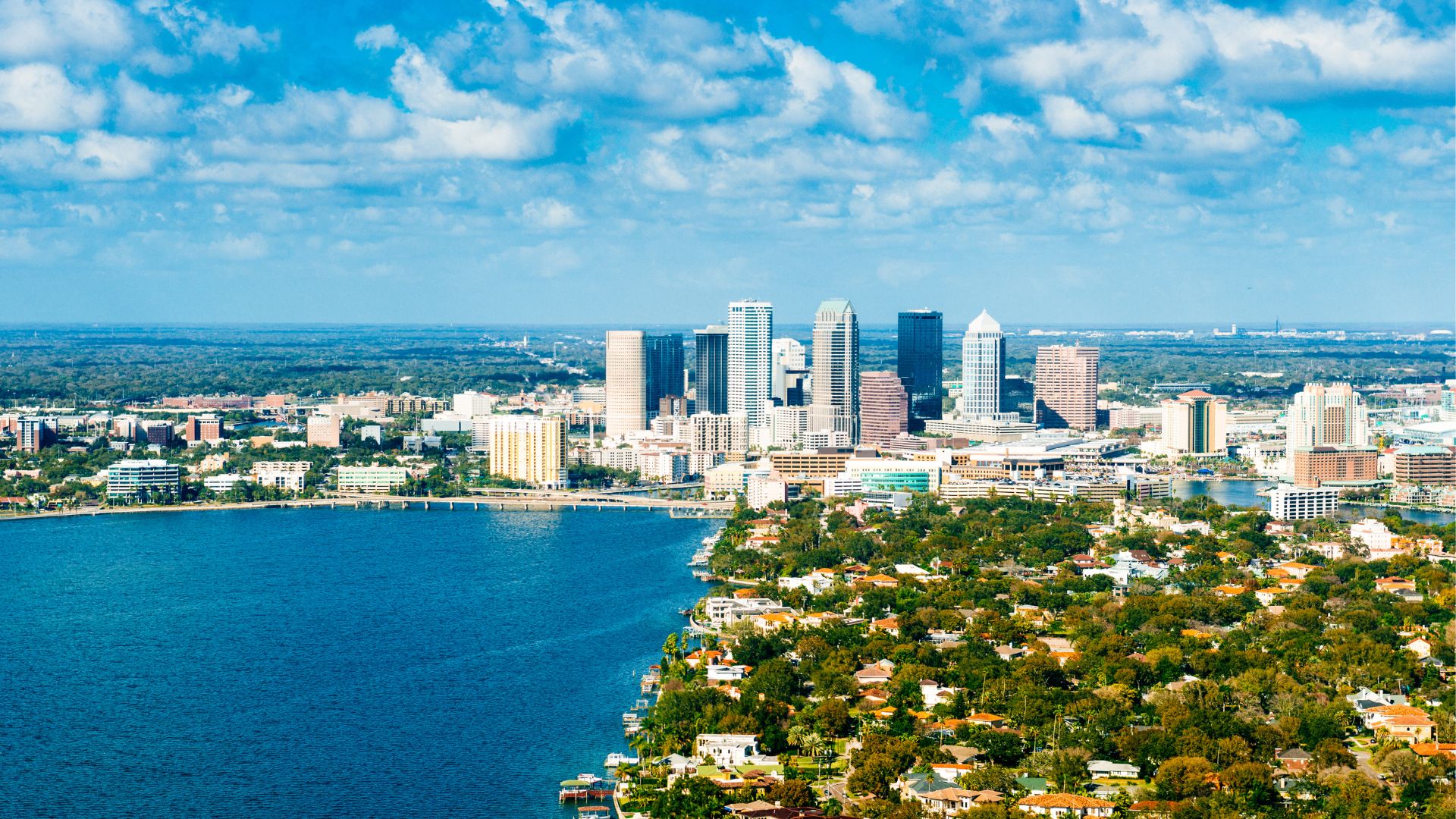
Tampa Bay’s beautiful waterfront, world-class attractions, sporting events, beaches, and outdoor activities attract millions of residents and visitors every year. Whether people are enjoying a day on the water, attending a festival, exploring downtown, or relaxing at a local beach, emergencies can occur when they are least expected. Having CPR Certification and a solid understanding of first aid can help individuals respond effectively during critical situations while waiting for emergency medical services to arrive.
While nobody expects an emergency to happen during a vacation or day trip, the reality is that accidents and medical emergencies can occur anywhere. Understanding how to recognize potential dangers and provide immediate assistance can help improve safety throughout Tampa Bay’s coastal communities and tourist destinations.
Why Emergency Preparedness Matters in Tampa Bay
Tampa Bay’s unique combination of waterfront recreation, tourism, professional sports, and year-round outdoor activities creates an environment where emergency preparedness is particularly important. Residents and visitors spend significant time outdoors participating in activities that range from boating and fishing to biking, swimming, and sightseeing.
Large crowds are common throughout the area, especially during peak tourism seasons. Popular attractions, waterfront events, beaches, shopping districts, and entertainment venues often bring together people of all ages and health conditions. In many situations, bystanders may be the first individuals available to help someone experiencing a medical emergency.
Being prepared does not require medical experience. Basic first aid knowledge and CPR training provide practical skills that can help individuals remain calm, assess situations, and take appropriate action until professional responders arrive.
Common Emergencies in Tampa Bay’s Tourist Areas
Tourist destinations present a variety of situations that can lead to injuries or medical emergencies. Visitors may be unfamiliar with the environment, weather conditions, or physical demands of certain activities.
Some of the most common emergencies include:
- Heat exhaustion and dehydration
- Water-related incidents
- Slip and fall injuries
- Cardiac emergencies
- Choking incidents
- Allergic reactions
- Cuts and lacerations
- Sports and recreational injuries
These situations often occur in public settings where immediate assistance from trained bystanders can be valuable.
Water-Related Emergencies Along the Coast
As a coastal destination, Tampa Bay offers endless opportunities for boating, swimming, paddleboarding, kayaking, jet skiing, and fishing. While these activities provide recreation and enjoyment, they also increase the potential for water-related emergencies.
A person may become fatigued while swimming, experience a medical issue while boating, or require assistance after being rescued from the water. Even individuals who appear alert following a water incident may require monitoring and medical evaluation.
Water emergencies can develop rapidly. Understanding the importance of immediate response and emergency activation can help ensure that victims receive appropriate care as quickly as possible.
Parents, boaters, lifeguards, and recreational enthusiasts can all benefit from learning emergency response techniques that apply specifically to aquatic environments.
Heat-Related Illnesses in Florida’s Climate
Florida’s warm temperatures and humidity create conditions that can contribute to heat-related illnesses throughout much of the year. Visitors who are not accustomed to the climate may be especially vulnerable.
Heat-related emergencies can range from mild discomfort to life-threatening conditions. Common symptoms may include:
- Excessive sweating
- Weakness
- Dizziness
- Nausea
- Headaches
- Muscle cramps
- Confusion
Recognizing these warning signs early can help prevent symptoms from worsening. Taking breaks, staying hydrated, and seeking shade can help reduce the risk of heat-related illnesses during outdoor activities.
For event organizers, tourism professionals, coaches, and outdoor workers, understanding how to recognize and respond to heat-related emergencies is an important part of maintaining a safe environment.
Cardiac Emergencies Can Happen Anywhere
One of the most serious emergencies that can occur in a public setting is sudden cardiac arrest. Unlike many injuries, cardiac emergencies often happen without warning.
Cardiac incidents can occur at:
- Beaches
- Restaurants
- Hotels
- Sporting events
- Airports
- Shopping centers
- Concert venues
- Tourist attractions
When an individual becomes unresponsive and is not breathing normally, immediate action becomes critical. While emergency medical services should always be contacted, trained bystanders may play an important role during the first few minutes of the emergency.
Many public facilities throughout Tampa Bay maintain Automated External Defibrillators, commonly known as AEDs. These devices are designed to assist individuals experiencing sudden cardiac arrest and can often be found in locations where large groups of people gather.
Understanding how CPR and AED awareness fit into emergency response planning helps create safer communities and public spaces.
First Aid for Common Tourist Injuries
Not every emergency involves a life-threatening situation. Many incidents involve injuries that require immediate first aid before professional medical care becomes necessary.
Tourists frequently experience injuries related to unfamiliar surroundings, increased physical activity, and outdoor recreation. Common examples include cuts, scrapes, sprains, minor burns, and falls.
Basic first aid knowledge can help individuals:
- Control bleeding
- Protect wounds from contamination
- Reduce discomfort
- Stabilize injuries
- Monitor symptoms
- Determine when professional medical care is needed
Having access to a first aid kit and understanding how to use basic supplies can be beneficial for families, businesses, tour operators, and recreational organizations.
Choking Emergencies in Restaurants and Public Venues
Tampa Bay’s dining scene attracts visitors from around the world. Restaurants, food festivals, sporting venues, and entertainment districts serve thousands of guests every day.
Although uncommon, choking emergencies can occur in any setting where food is consumed. Children, older adults, and individuals with certain medical conditions may face a greater risk.
Recognizing the signs of choking and understanding how to respond appropriately can make a significant difference during these emergencies. Prompt action is often necessary when an individual is unable to speak, cough, or breathe effectively.
Restaurant employees, hospitality workers, event staff, and community members can all benefit from learning how to identify and respond to choking emergencies.
The Importance of CPR and First Aid Training for Hospitality Professionals
The hospitality industry is a major part of Tampa Bay’s economy. Hotels, resorts, restaurants, entertainment venues, and tourism businesses interact with thousands of visitors each day.
Because hospitality professionals frequently work in environments where large numbers of people gather, emergency preparedness becomes especially important.
Training provides employees with greater confidence when responding to situations involving:
- Medical emergencies
- Falls and injuries
- Choking incidents
- Heat-related illnesses
- Water-related emergencies
- Cardiac events
Prepared employees can help support a safe environment while emergency services are en route.
Emergency Preparedness for Families Visiting Tampa Bay
Families often spend long days exploring attractions, beaches, parks, and waterfront destinations. While most outings are enjoyable and uneventful, planning ahead can improve safety during any trip.
Simple preparation strategies include carrying water, monitoring weather conditions, supervising children near water, and knowing the location of emergency services at major attractions.
Parents should also consider discussing emergency meeting locations and contact information before attending large public events. These small steps can help families respond more effectively if an unexpected situation arises.
Preparedness is not about expecting emergencies. It is about reducing confusion and responding confidently if one occurs.
Building Confidence Through Training
One of the biggest barriers to helping during an emergency is uncertainty. Many people hesitate because they are afraid of doing something incorrectly or making the situation worse.
Training helps remove that uncertainty by providing structured instruction and hands-on practice. Participants learn how to assess situations, identify priorities, and take appropriate action based on the circumstances.
Confidence gained through training often extends beyond emergency response. Individuals frequently report feeling more prepared to assist family members, coworkers, customers, and members of their community.
These skills can be valuable in everyday life, whether at home, at work, or while enjoying Tampa Bay’s many attractions.
How CPR and First Aid Skills Help Create Safer Communities
Communities become safer when more individuals understand how to respond during emergencies. Every trained person adds another layer of preparedness to schools, businesses, neighborhoods, sports organizations, and public spaces.
Emergency medical professionals play a critical role in patient care, but bystanders are often the first people available to provide assistance. Early recognition, emergency activation, and immediate care can help support better outcomes while waiting for professional responders.
The combination of first aid awareness, emergency preparedness, and community education helps create an environment where people feel more confident and capable during unexpected situations.
Why CPR and First Aid Knowledge Is Valuable Throughout Tampa Bay
From waterfront activities and tourist attractions to sporting events and community gatherings, Tampa Bay offers countless opportunities for recreation and entertainment. Along with these opportunities comes the possibility of unexpected emergencies that require immediate attention. Learning first aid skills and obtaining CPR Certification can help individuals feel prepared to respond when seconds matter, providing valuable assistance until emergency medical professionals arrive and helping make Tampa Bay a safer place for residents and visitors alike.
Frequently Asked Questions About CPR Training in Tampa
Who should consider taking a CPR and first aid course?
CPR and first aid training can benefit parents, teachers, coaches, hospitality workers, business owners, healthcare professionals, and anyone who wants to be better prepared for emergencies.
Are CPR skills useful outside of healthcare settings?
Yes. Medical emergencies can occur in homes, workplaces, restaurants, sporting events, and public spaces. CPR training provides skills that can be useful in many everyday environments.
Why are water-related emergencies a concern in Tampa Bay?
Tampa Bay’s coastal environment encourages boating, swimming, fishing, and other water activities. These activities increase the potential for water-related incidents that may require emergency response.
What are some signs of heat-related illness?
Common signs can include dizziness, weakness, nausea, excessive sweating, headaches, muscle cramps, and confusion. Recognizing symptoms early can help prevent more serious complications.
Are AEDs difficult to use?
Modern AEDs are designed to provide clear instructions that guide users through the process. Training helps individuals become more familiar with how these devices are used during emergencies.
Can first aid training help with minor injuries as well?
Yes. First aid training covers many common injuries, including cuts, scrapes, burns, sprains, and other situations that may occur during everyday activities.