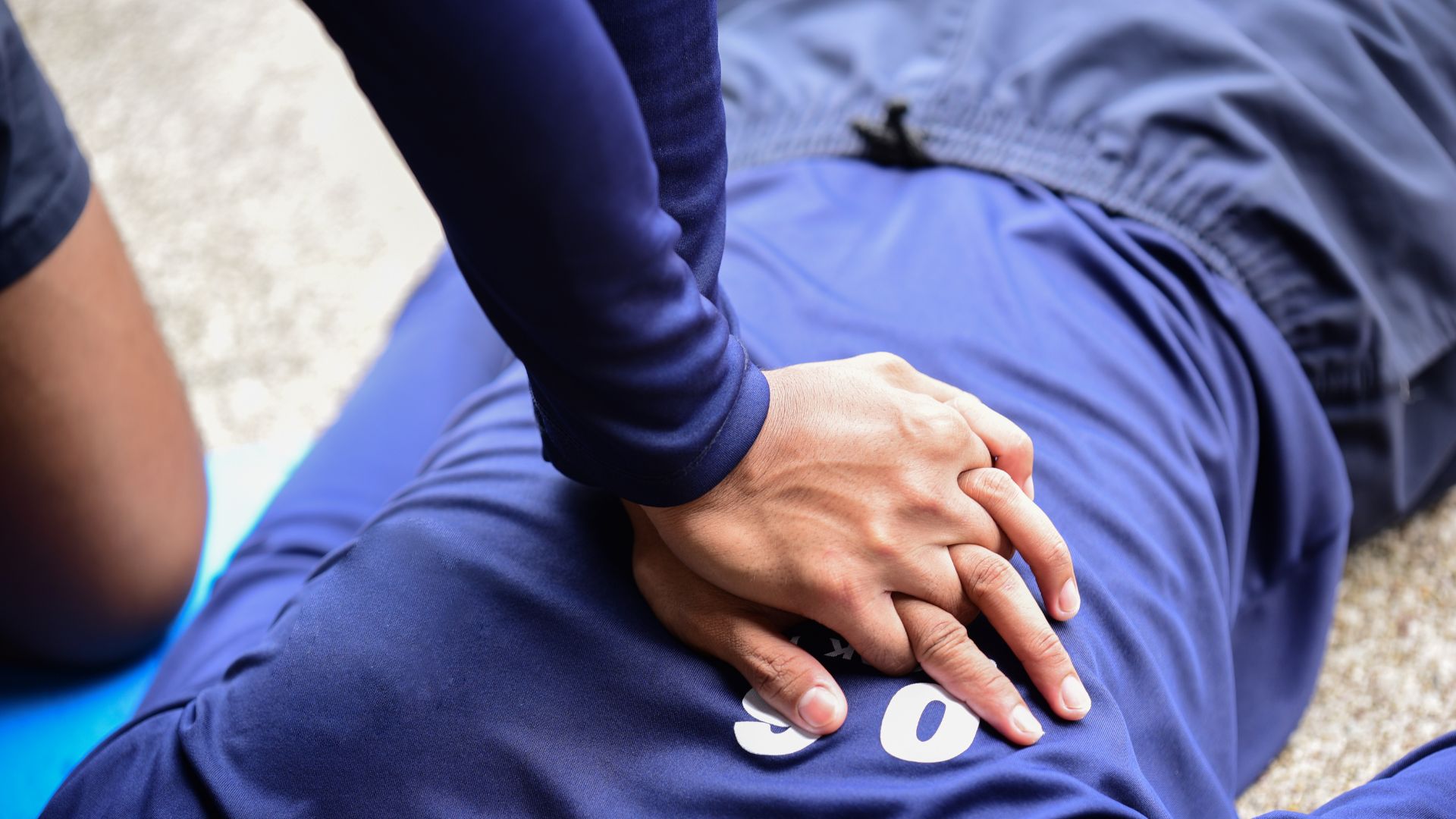
Living in the Tampa Bay area comes with countless advantages, from beautiful beaches and boating opportunities to thriving communities and year-round outdoor activities. But with an active lifestyle and growing population also comes a higher likelihood of encountering emergencies that require immediate action. From heat exhaustion and near-drownings to car accidents and sudden cardiac arrest, emergencies can happen anywhere and at any time.
That is why more Tampa Bay residents are realizing the importance of learning both CPR and First Aid together instead of treating them as separate skills. Combined emergency response training provides people with the confidence and knowledge to react quickly during medical situations before professional help arrives. Through CPR Certification, Tampa Bay residents can learn practical, life-saving skills that prepare them for real-world emergencies affecting families, workplaces, schools, sports leagues, and public spaces throughout the region.
Why Tampa Bay Residents Face Unique Emergency Risks
Tampa Bay’s climate, tourism, traffic, and outdoor lifestyle create situations where emergency response knowledge becomes especially valuable.
Some of the most common emergency scenarios in the area include:
- Heat exhaustion and heat stroke
- Drowning and water accidents
- Boating injuries
- Cardiac emergencies
- Sports injuries
- Choking incidents
- Workplace accidents
- Hurricane-related injuries
- Slip and fall accidents
- Severe allergic reactions
In many emergencies, the first few minutes are critical. Immediate CPR or First Aid can stabilize a victim and dramatically improve survival chances before paramedics arrive.
Because Tampa Bay communities spend so much time outdoors, residents are often the first people available to help during emergencies.
CPR and First Aid Work Best Together
Many people assume CPR training alone is enough, but emergencies rarely follow a predictable pattern. Cardiac arrest may occur after an injury, choking incident, near-drowning, allergic reaction, or heat-related illness.
Combined CPR and First Aid training prepares individuals to handle a wider range of emergencies.
Together, these skills cover situations such as:
- Unresponsive victims
- Cardiac arrest
- Severe bleeding
- Burns
- Broken bones
- Choking
- Heat stroke
- Seizures
- Allergic reactions
- Shock
- Head injuries
Learning both skill sets through CPR Certification allows Tampa Bay residents to respond more confidently during emergencies where multiple medical issues may occur simultaneously.
Water Activities Increase Emergency Risks in Tampa Bay
Tampa Bay’s boating culture and waterfront activities make water safety especially important.
Residents and visitors regularly enjoy:
- Boating
- Jet skiing
- Paddleboarding
- Swimming
- Fishing
- Beach outings
- Pool parties
Unfortunately, water-related emergencies can happen quickly. Near-drownings may lead to cardiac arrest or respiratory distress, especially in children.
Combined CPR and First Aid training helps individuals respond effectively by teaching:
- Rescue breathing
- CPR techniques
- Drowning response
- Conscious and unconscious choking relief
- Shock management
- Emergency scene assessment
Having trained bystanders nearby can make a life-saving difference before emergency crews arrive at beaches, marinas, or pools.
Heat Emergencies Are Common in Florida
Florida’s intense heat and humidity create serious risks throughout much of the year. Tampa Bay residents frequently encounter heat-related illnesses during outdoor work, sports, festivals, and recreational activities.
Heat emergencies may include:
- Heat exhaustion
- Heat stroke
- Dehydration
- Fainting
- Confusion
- Loss of consciousness
First Aid training teaches individuals how to recognize symptoms early and provide immediate care before conditions worsen.
Because severe heat illness can sometimes trigger cardiac emergencies, knowing CPR adds another layer of preparedness.
Combined training ensures responders know how to:
- Cool the victim safely
- Monitor breathing
- Assess responsiveness
- Activate emergency services
- Begin CPR if necessary
Traffic and Population Growth Increase Accident Risks
The Tampa Bay area continues to grow rapidly, bringing increased traffic congestion and accident risks.
Car accidents often involve injuries requiring immediate First Aid care before paramedics arrive.
Combined CPR and First Aid courses prepare people to handle:
- Severe bleeding
- Shock
- Head trauma
- Broken bones
- Unconscious victims
- Airway obstruction
In serious crashes, CPR may become necessary if a victim stops breathing or loses a pulse.
Residents trained through CPR Certification are often better prepared to stay calm and assist during roadside emergencies while waiting for emergency responders.
Families Benefit from Combined Emergency Training
Parents, grandparents, babysitters, and caregivers throughout Tampa Bay are increasingly seeking combined CPR and First Aid training to better protect their families.
Children are especially vulnerable to emergencies such as:
- Choking
- Drowning
- Falls
- Allergic reactions
- Burns
- Sudden illness
Combined courses teach age-specific emergency response techniques for infants, children, and adults.
Parents often gain confidence knowing they can respond immediately during emergencies at home, parks, schools, or sporting events.
Family preparedness becomes even more important during Florida hurricane season, when emergency response times may be delayed due to severe weather conditions.
Workplace Safety Is a Growing Priority
Many Tampa Bay employers now encourage or require CPR and First Aid training as part of workplace safety initiatives.
Industries commonly seeking emergency preparedness training include:
- Healthcare
- Construction
- Hospitality
- Education
- Childcare
- Fitness centers
- Manufacturing
- Security
- Transportation
Workplace accidents can happen unexpectedly, and trained employees can provide immediate care that reduces injury severity and improves outcomes.
Employers appreciate workers who can:
- Respond confidently during emergencies
- Assist coworkers
- Manage medical incidents
- Communicate effectively with EMS
- Promote workplace safety culture
Training through CPR Certification helps employees build practical skills that benefit both their careers and communities.
Cardiac Arrest Can Happen Anywhere
Many people mistakenly believe cardiac arrest only affects elderly individuals or hospital patients. In reality, sudden cardiac arrest can happen to anyone at any age.
Cardiac emergencies may occur during:
- Exercise
- Sporting events
- Swimming
- Work activities
- Public gatherings
- Family outings
Without immediate CPR, survival chances decrease rapidly with every passing minute.
Learning CPR alongside First Aid allows responders to:
- Recognize cardiac arrest quickly
- Call for emergency help
- Begin chest compressions immediately
- Use an AED confidently
- Continue care until professionals arrive
Rapid bystander intervention dramatically improves survival rates.
First Aid Helps Before Emergencies Become Worse
One of the greatest benefits of First Aid training is learning how to prevent minor injuries from becoming major medical emergencies.
Quick action can reduce complications involving:
- Cuts and lacerations
- Burns
- Sprains
- Allergic reactions
- Dehydration
- Heat illness
- Infection risk
Combined CPR and First Aid training teaches individuals how to assess situations calmly and prioritize care effectively.
These skills are especially valuable in active communities like Tampa Bay, where outdoor recreation and physical activity are common year-round.
Emergency Response Confidence Matters
One of the biggest barriers during emergencies is panic. Many people freeze because they are afraid of making mistakes or do not know what to do.
Training helps eliminate hesitation by providing:
- Hands-on practice
- Real-world scenarios
- Step-by-step emergency response procedures
- Confidence-building exercises
- Instructor guidance
People who complete combined CPR and First Aid courses often feel significantly more prepared to handle stressful situations calmly and effectively.
Programs through CPR Certification focus on practical emergency response skills that people can apply confidently in everyday life.
Schools and Youth Sports Benefit Greatly
Tampa Bay has a large youth sports community, with children participating in football, soccer, baseball, swimming, gymnastics, and many other activities.
Coaches, parents, and volunteers trained in CPR and First Aid can respond quickly to:
- Concussions
- Heat exhaustion
- Cardiac events
- Choking
- Broken bones
- Severe allergic reactions
Because sports injuries can escalate rapidly, immediate care is often critical before EMS arrives.
Schools and athletic organizations increasingly value volunteers and staff members with combined emergency training.
Hurricane Season Makes Preparedness Critical
Florida residents understand the challenges hurricane season can bring. Severe storms can disrupt emergency response systems, delay ambulance arrival times, and create hazardous conditions.
During natural disasters, residents may encounter:
- Cuts and puncture wounds
- Flood-related injuries
- Heat illness
- Power outage emergencies
- Carbon monoxide exposure
- Falling debris injuries
Combined CPR and First Aid training helps Tampa Bay residents prepare for emergencies that may occur during storm preparation, evacuation, or recovery.
Knowing how to provide immediate care during disasters can help protect families and neighbors until professional responders become available.
AED Training Is an Important Part of CPR Education
Many combined CPR and First Aid courses also include Automated External Defibrillator training.
AEDs are now found in many public places throughout Tampa Bay, including:
- Airports
- Schools
- Gyms
- Restaurants
- Shopping centers
- Sports facilities
- Office buildings
Learning how to use an AED confidently can significantly improve survival rates during sudden cardiac arrest.
Training helps responders understand:
- When to use an AED
- How to apply electrode pads
- Safety precautions
- Coordinating CPR with defibrillation
These skills are increasingly important as public access defibrillators become more widespread.
Community Preparedness Saves Lives
Communities become safer when more residents know how to respond during emergencies.
Combined CPR and First Aid training creates stronger community preparedness by empowering ordinary people to act during critical moments.
In Tampa Bay, trained residents may assist during:
- Beach emergencies
- Neighborhood accidents
- Public events
- Community gatherings
- Workplace incidents
- Family emergencies
Even basic emergency response knowledge can make an enormous difference in survival outcomes and injury reduction.
Why Combined Training Is More Practical
Taking CPR and First Aid together provides a more complete emergency response education than learning either skill separately.
Combined courses offer:
- Better understanding of medical emergencies
- More practical scenario training
- Improved confidence
- Comprehensive preparedness
- Greater flexibility during emergencies
Emergencies rarely happen in isolation. Someone experiencing cardiac arrest may also suffer trauma, choking, or heat-related complications.
Combined training prepares people to think critically and respond appropriately under pressure.
Final Thoughts About Tampa Bay CPR Cerification
Life in Tampa Bay is active, exciting, and filled with opportunities for outdoor recreation, community events, and family activities. But with that lifestyle also comes the potential for emergencies that require immediate action before professional help arrives.
Combined CPR and First Aid training gives Tampa Bay residents the tools to respond confidently during cardiac arrests, injuries, drownings, heat emergencies, workplace accidents, and many other critical situations. Learning these life-saving skills through CPR Certification helps individuals protect their families, coworkers, neighbors, and communities while building confidence in their ability to act during emergencies.
Whether at the beach, on the road, at work, or at home, combined emergency response training can make the difference between helplessness and life-saving action when every second counts.
Frequently Asked Questions About CPR & First Aid
Why should I take CPR and First Aid together?
Combined training prepares you to handle a wider variety of emergencies, including injuries, choking, cardiac arrest, burns, and heat illness.
Is combined CPR and First Aid training good for parents?
Yes. Parents and caregivers benefit greatly from learning how to respond to choking, drowning, allergic reactions, and medical emergencies involving children.
How long does CPR and First Aid certification last?
Most certifications remain valid for two years before renewal is required.
Are CPR and First Aid skills important for Florida residents?
Absolutely. Florida’s heat, water activities, storms, and active lifestyle create many situations where emergency response skills are valuable.
Do workplaces in Tampa Bay require CPR and First Aid training?
Many industries encourage or require training, especially healthcare, childcare, construction, hospitality, and education.
Can CPR really save someone’s life before paramedics arrive?
Yes. Immediate CPR can significantly improve survival chances during sudden cardiac arrest by maintaining blood flow until emergency responders arrive.
What emergencies does First Aid training cover?
First Aid training typically includes burns, bleeding, fractures, heat illness, allergic reactions, choking, shock, and other common medical emergencies.
Is AED training included with CPR courses?
Many CPR courses include AED instruction, teaching participants how to use automated external defibrillators safely and effectively.