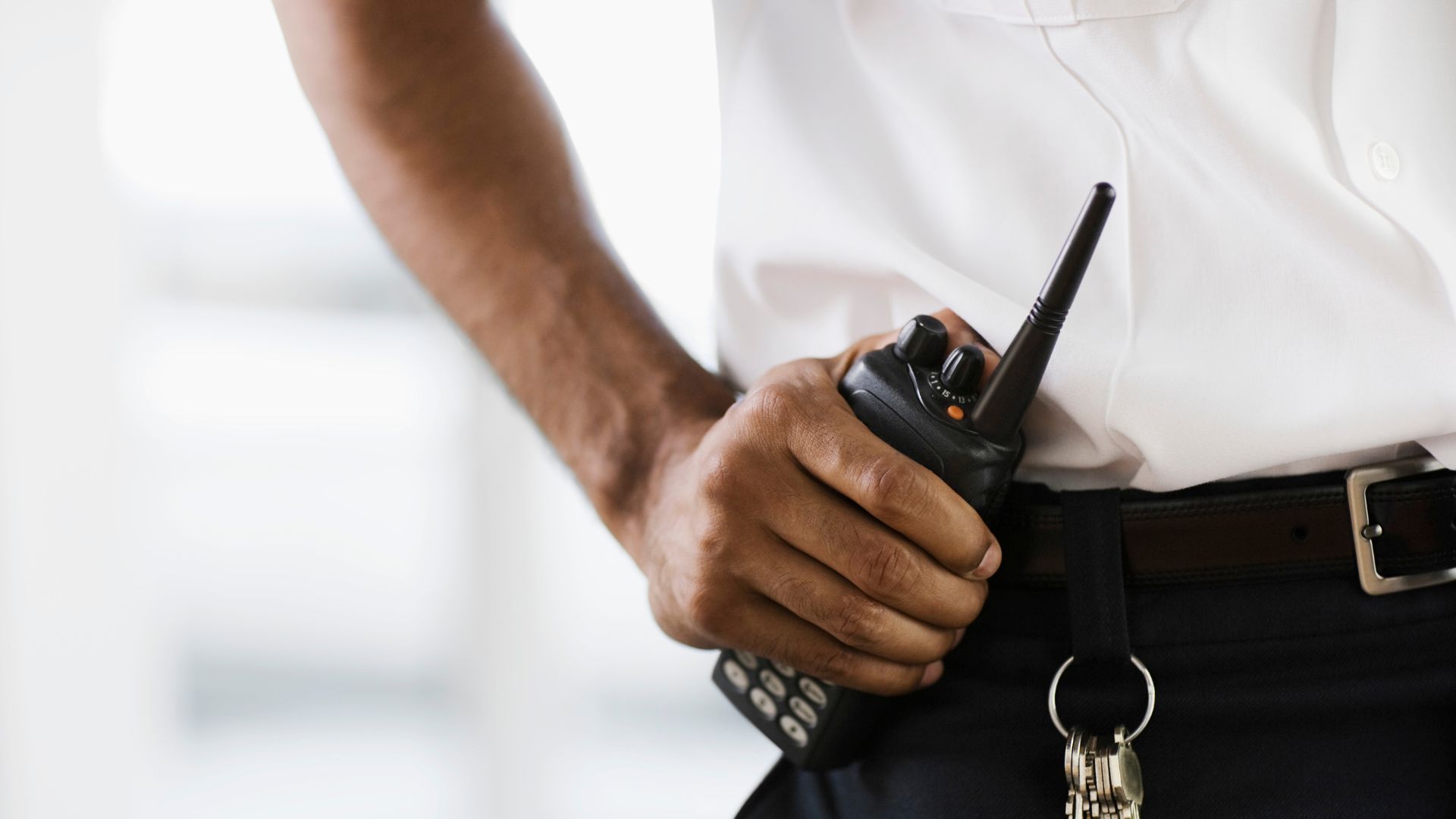
Security guards play a critical role in maintaining safety across a wide range of environments. From office buildings and retail centers to hospitals, schools, and large event venues, security professionals are often the first individuals to respond when an emergency occurs. In Tampa, where commercial activity, tourism, and public events are constant, CPR training is an essential skill for security guards who are responsible for protecting people as well as property.
Medical emergencies can happen without warning. Cardiac arrest, breathing difficulties, choking, and sudden collapse are all situations where immediate action is required. CPR training gives security guards the ability to respond quickly and effectively during these high pressure moments. Proper training can mean the difference between life and death while emergency medical services are on the way.
This guide explains why CPR training is so important for security guards in Tampa, what the training covers, how it applies to real world security work, and how to choose the right course to meet employer expectations and professional standards.
Why CPR Training Is Essential for Security Guards
Security guards are frequently positioned in areas with large numbers of people. This makes them likely first responders during medical emergencies. Whether monitoring a crowded shopping center, overseeing a gated community, or securing an event venue, security guards are expected to act quickly when something goes wrong.
CPR training ensures that security guards can recognize signs of cardiac arrest and respiratory distress and take immediate action. Performing CPR correctly helps maintain blood circulation and oxygen flow to the brain and vital organs until professional medical responders arrive. Early CPR has been shown to significantly increase survival rates in cardiac emergencies.
In Tampa, security guards work in diverse environments that present unique risks. High temperatures, physical activity, large crowds, and long work hours can increase the likelihood of medical incidents. CPR training prepares guards to respond confidently regardless of location or circumstance.
Beyond lifesaving skills, CPR training enhances professionalism. Employers, property managers, and clients expect security personnel to be prepared for emergencies. CPR certification demonstrates responsibility, preparedness, and a commitment to safety.
Understanding CPR Training for Security Professionals
CPR training focuses on teaching individuals how to respond to cardiac and breathing emergencies safely and effectively. For security guards, the training emphasizes fast assessment, safe intervention, and coordination with emergency services.
Training is designed for non medical professionals, making it accessible while still providing critical lifesaving skills. Security guards learn how to act decisively without performing advanced medical procedures that fall outside their role.
Core Skills Covered in CPR Training
CPR training for security guards typically includes instruction and hands on practice in the following areas:
- Recognizing cardiac arrest and abnormal breathing
- Assessing scene safety before providing aid
- Calling emergency services and directing bystanders
- Performing high quality chest compressions
- Providing rescue breaths when appropriate
- Using an automated external defibrillator
Participants practice these skills using training manikins to ensure proper hand placement, compression depth, and pacing. The goal is to build muscle memory so guards can perform CPR confidently during real emergencies.
Training also reinforces the importance of following established emergency response steps. Security guards are taught when to intervene, when to call for help, and how to support victims until medical professionals arrive.
CPR Training in Real World Security Environments
Security guards often work in conditions that make emergency response challenging. Crowded spaces, loud environments, poor lighting, and unpredictable situations can complicate lifesaving efforts. CPR training prepares guards to adapt to these conditions while maintaining effective technique.
For example, providing CPR in a crowded venue may require clearing space quickly and directing bystanders. In office buildings or residential complexes, guards may need to navigate tight hallways or stairwells. CPR training emphasizes adaptability and situational awareness in these environments.
Communication is also a key focus. Security guards must communicate clearly with emergency dispatchers, relay accurate information to responders, and coordinate with coworkers. CPR training reinforces calm, structured communication during emergencies.
CPR Training vs Advanced Medical Certifications
Some security professionals wonder whether CPR training alone is sufficient or if more advanced medical certifications are required. In most cases, CPR training meets the standard expectations for security guards.
CPR training focuses on immediate lifesaving actions such as chest compressions and rescue breathing. It is designed for individuals who are not providing clinical care but may need to act quickly during emergencies.
Advanced certifications such as Basic Life Support include additional procedures and protocols typically required for healthcare professionals. While some specialized security roles may benefit from expanded training, CPR certification is generally the required and appropriate level for most security positions.
Security guards should always verify employer requirements when selecting a training course. CPR certification should align with job responsibilities and site specific expectations.
Employer and Industry Expectations in Tampa
In Tampa, security companies and property managers prioritize safety and preparedness. CPR training is often required during hiring or strongly encouraged as part of ongoing professional development.
Employers value CPR trained security guards because they enhance on site safety and reduce response times during emergencies. Many contracts and security agreements require guards to maintain current CPR certification.
CPR training also helps reduce liability risks for security companies and clients. Properly trained guards are less likely to make critical errors during emergencies, which protects everyone involved.
Given Tampa’s active commercial districts, busy event schedules, and growing population, CPR training is an essential component of professional security services.
Benefits of CPR Training for Security Guards in Tampa
CPR training offers multiple benefits that extend beyond meeting employer requirements.
Faster Emergency Response
Security guards are often already present when emergencies occur. CPR training allows guards to respond immediately rather than waiting for outside assistance. This quick action can significantly improve outcomes during cardiac arrest.
Increased Confidence Under Pressure
Emergency situations can be stressful and chaotic. CPR training builds confidence by providing clear steps and repeated practice. Guards who feel prepared are more likely to act decisively and effectively.
Enhanced Professional Value
CPR certification enhances a security guard’s professional profile. It demonstrates competence, responsibility, and readiness to handle emergencies. This can lead to greater trust from employers and clients.
Transferable Lifesaving Skills
CPR training is valuable beyond the workplace. Security guards can use these skills in public spaces, at home, or within their communities. CPR certification empowers guards to make a difference wherever emergencies occur.
What to Expect During CPR Training
CPR training courses are designed to be comprehensive yet efficient. Most courses can be completed in a single session, making them convenient for working professionals.
Training typically includes instructor led lessons combined with hands on practice. Participants learn proper CPR technique, safety protocols, and emergency response steps through guided instruction.
Many courses also include scenario based training to simulate real emergencies. This helps security guards practice responding under pressure and reinforces decision making skills.
To earn certification, participants must demonstrate competency in CPR techniques. Upon successful completion, guards receive a certification card that is valid for a set period, usually two years.
Choosing the Right CPR Training Course in Tampa
Selecting the right CPR training course is important for ensuring quality instruction and meeting employer expectations.
When choosing a CPR course in Tampa, security guards should consider:
- Alignment with nationally recognized CPR guidelines
- Hands on training opportunities
- Experience training security or public safety professionals
- Flexible scheduling options
- Certification acceptance by employers
It is also important to understand renewal requirements. CPR certification must be kept current, so selecting a provider that offers convenient recertification options can save time and effort in the future.
How CPR Training Supports Long Term Career Success
A career in security requires continuous training and adaptability. CPR certification supports long term success by ensuring guards remain compliant with safety standards and prepared for emergencies.
Regular recertification keeps skills sharp and up to date with current guidelines. This ongoing education reinforces a culture of safety and professionalism within the security industry.
For security guards working in Tampa, maintaining CPR certification helps ensure readiness to protect people in one of Florida’s most active and dynamic cities.
Final Thoughts on CPR Training for Security Guards
CPR training is a vital skill for security guards who are responsible for the safety and wellbeing of others. In Tampa, where guards work in busy and diverse environments, CPR training equips professionals with the tools needed to respond when seconds matter most.
From recognizing medical emergencies to performing effective CPR and coordinating with emergency responders, trained security guards play a crucial role in saving lives. CPR certification strengthens professional credibility, builds confidence, and enhances safety for everyone on site.
Investing in CPR training is an investment in preparedness, professionalism, and public safety. For security guards in Tampa, it is an essential step toward protecting lives and building a successful career.
Frequently Asked Questions
Why do security guards need CPR training?
Security guards are often first responders during emergencies. CPR training enables them to act quickly during cardiac and breathing emergencies until medical professionals arrive.
Is CPR training required for security guards in Tampa?
Many employers require or strongly recommend CPR training for security guards. Requirements vary by company and site, but CPR certification is widely considered essential.
How often does CPR certification need to be renewed?
CPR certification is typically valid for two years. Security guards must renew certification before it expires to remain compliant with employer policies.
Is CPR training different from first aid training?
Yes. CPR training focuses specifically on cardiac and breathing emergencies, while first aid training covers a broader range of injuries and medical situations.
Where can security guards in Tampa get CPR training?
Security guards in Tampa can enroll in CPR training courses offered by approved providers that follow nationally recognized guidelines. It is important to choose a course accepted by employers and aligned with professional standards.